
Understanding Old Smuggling Routes on the Coast
Why the Coast Was a Smuggler's Paradise
For much of the 18th and 19th centuries, the British coast was a battleground between the Crown's tax collectors and local communities who saw smuggling as a legitimate trade. High duties on tea, brandy, gin, tobacco and silk meant that a cargo landed quietly on a shingle beach could be worth more than a fishing boat's catch for a year. Geography was the first ally. The UK's ragged coastline offered countless hidden coves, narrow estuaries and rocky inlets where a lugger could slip in under cover of darkness. Local knowledge was the second. Fishermen, farmers and innkeepers knew every tide, current and cliff path. They also knew which revenue cutters were in port and which excise men could be bribed or avoided. Smuggling was not seen as a crime by many; it was "free trade", a way to survive when wages were low and taxes were high.
The Geography of Concealment: Coves, Creeks and Cliff Paths
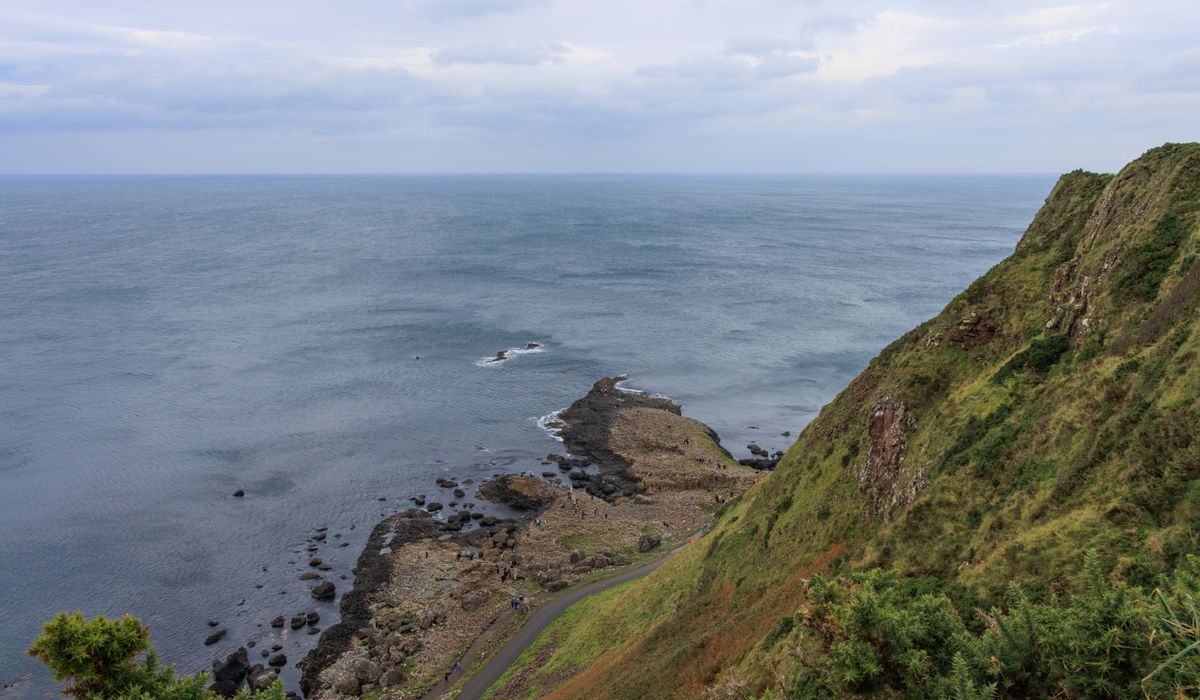
Smugglers chose landing spots with care. A perfect site had a steep shingle beach where boats could be hauled up quickly, a cave or overhang to hide goods, and a fast route inland. Creeks and estuaries were ideal: navigable at high tide, but muddy and treacherous at low water, which discouraged pursuit. Places like the Fal estuary in Cornwall, the Romney Marshes in Kent, and the Solway Firth on the Scottish border were notorious. Cliff paths—often cut as narrow steps into the rock—allowed lookouts to spot revenue cutters miles out. Inland, sunken lanes and holloways, worn deep by centuries of carts, provided hidden routes to villages and farms. Some paths led to smugglers' pits, shallow holes lined with straw where contraband was buried until it could be moved. If you walk a coastal path today, look for these features: a sudden dip in the cliff, a wall that seems to lead nowhere, or a line of trees that marks an old trackway.
Inns, Cellars and the Local Knowledge Network
The village inn was the heart of the smuggling network. Innkeepers acted as coordinators, storing goods in cellars, providing alibis, and passing messages. Many old inns still show signs: a false wall behind a fireplace, a tunnel to the church or the sea, or a trapdoor under a flagstone. Look up at the beams—hooks for hanging casks are sometimes still visible. Local knowledge was passed down through families and trusted circles. Signal fires on clifftops, church towers used as lookouts, and windmills with sails set at particular angles all sent coded messages. Oaths were sworn on the Bible or a skull, and informers were dealt with harshly. This tight-knit secrecy is why so many smuggling stories survive as legend rather than court record.
Taxes, Tides and the Economics of Illicit Trade
The numbers were compelling. In the 1780s, a pound of tea might cost 5 shillings legally, but only 1 shilling smuggled. A gallon of brandy could be ten times cheaper. Taxes were the engine of the trade: duty on tea alone rose to over 100% at times. Smugglers timed their runs with the tides and moon. Spring tides gave extra depth for larger boats; neap tides left mudflats that hid cargoes. Payment was often in kind—goods traded for fish, or credit with local merchants. The risks were real: revenue cutters patrolled the coast, dragoons could be called out, and convicted smugglers faced fines, transportation to Australia, or the gallows. Yet for many coastal communities, the rewards outweighed the dangers, and the trade shaped local economies for generations.
Reading the Landscape Today: What to Look For in Your Coastal Garden or Village
If you live in an old coastal cottage, you may already have a piece of smuggling history. Check for blocked-up doorways or windows that appear on old maps but not in the brickwork. Cellars with unusual depth, odd alcoves or a second entrance are worth investigating—though never dig without permission, as many sites are protected. In the garden, look for mounds and hollows that don't match the natural topography; they might be old hiding places. Old walls with a hollow sound or a line of stones that differs from the rest could conceal a tunnel. In the village, study the inns: low beams, huge chimneys, and cellars with rings for tethering boats are clues. Churchyards sometimes have "smugglers' graves" facing the sea, and tithe maps or customs records in local archives can reveal landing sites. A walk with a local history group is a practical way to learn more.
Living with the Legacy: Coastal Homes and Gardens Today
Smuggling heritage is part of what makes coastal living so evocative. You can honour it without turning your garden into a theme park. Plant native coastal species—sea thrift, campion, and tough grasses—to echo the wild cliffs where lookouts once stood. Use local stone for walls and paths, and leave a hidden nook with a bench where you can imagine a moonlit landing. If you restore an old building, keep original features like timber lintels and iron hooks; they tell the story better than any plaque. Join a local heritage group or visit a coastal museum to learn the specific routes near you. The romance of smuggling is not just about illicit cargo—it is about ingenuity, community and the timeless pull of the sea. Your coastal home is a small part of that continuing story.

4 Comments